

The ECOSTAR Project
Project Summary
The ECOSTAR project, funded by Erasmus+, aims to use digital technologies & exchanges between countries to look at ways to encourage & enable learners & teachers to incorporate sustainable development into the curriculum & make a positive contribution to sustainability in their all aspects of their daily lives.
The strategic objectives of the project include Increasing awareness of sustainable development initiatives at local, regional, national & European levels in learners & teachers by focussing on green practices for eco-friendly lives; examining how to increase knowledge of sustainable development in teaching staff to make lasting impacts in pedagogical work with learners; discussing the relationship between sustainability, educational institutions & the curriculum, while focussing on the impacts of everyday individual actions; promoting & open up the use of digital technologies to learn about & fight for sustainability for learners & teachers; facilitating equality of access to sustainability learning opportunities for learners across sectors including those from disadvantaged backgrounds, thereby broadening horizons & increasing awareness of the added-value of the EU & being a European citizen through contacts with participants from other countries
Operationally, the project will develop ways to increase awareness of sustainable development in staff & learners & incorporate sustainable development ideas & practices into educational institutions; develop ways to share daily actions taken by individual staff & learners in everyday contexts to support sustainable development using digital technologies; design a customisable model for an eco-sustainable TLA to increase awareness of environmental & climate-change challenges; design adaptable models & tools for digitally-based eco-sustainable sharing, promotion & legacy activities.
Expected results from the project include:
-
R2.2 Development of BITESIZE CLUSTERS presenting content & activities in an eco-sustainable leaner-friendly way
R1.3 Top Tips for a WHOLE SCHOOL APPROACH TO SUSTAINABILITY & integration in the curriculum
R1.4 Top Pedagogical Tips for educators
R1.5 Top Tips for eco-sustainable digital tools & digital competence development
-
R2.1: Creation of the ECOSTAR BITESIZE KIT with steps that can be taken by each individual educator & learner in everyday contexts to support sustainable development
R2.2: Creation & animation of the of the ECOSTAR BE THE CHANGE CHALLENGE for communicating & sharing positive daily actions to support sustainable development via social media
-
R3.1: Model for an eco-sustainable TLA to increase awareness of environmental & climate-change challenges
R3.2: ‘I WAS THERE AT THE ECOSTAR BE THE CHANGE CHALLENGE IN DUBLIN video
Meet the team
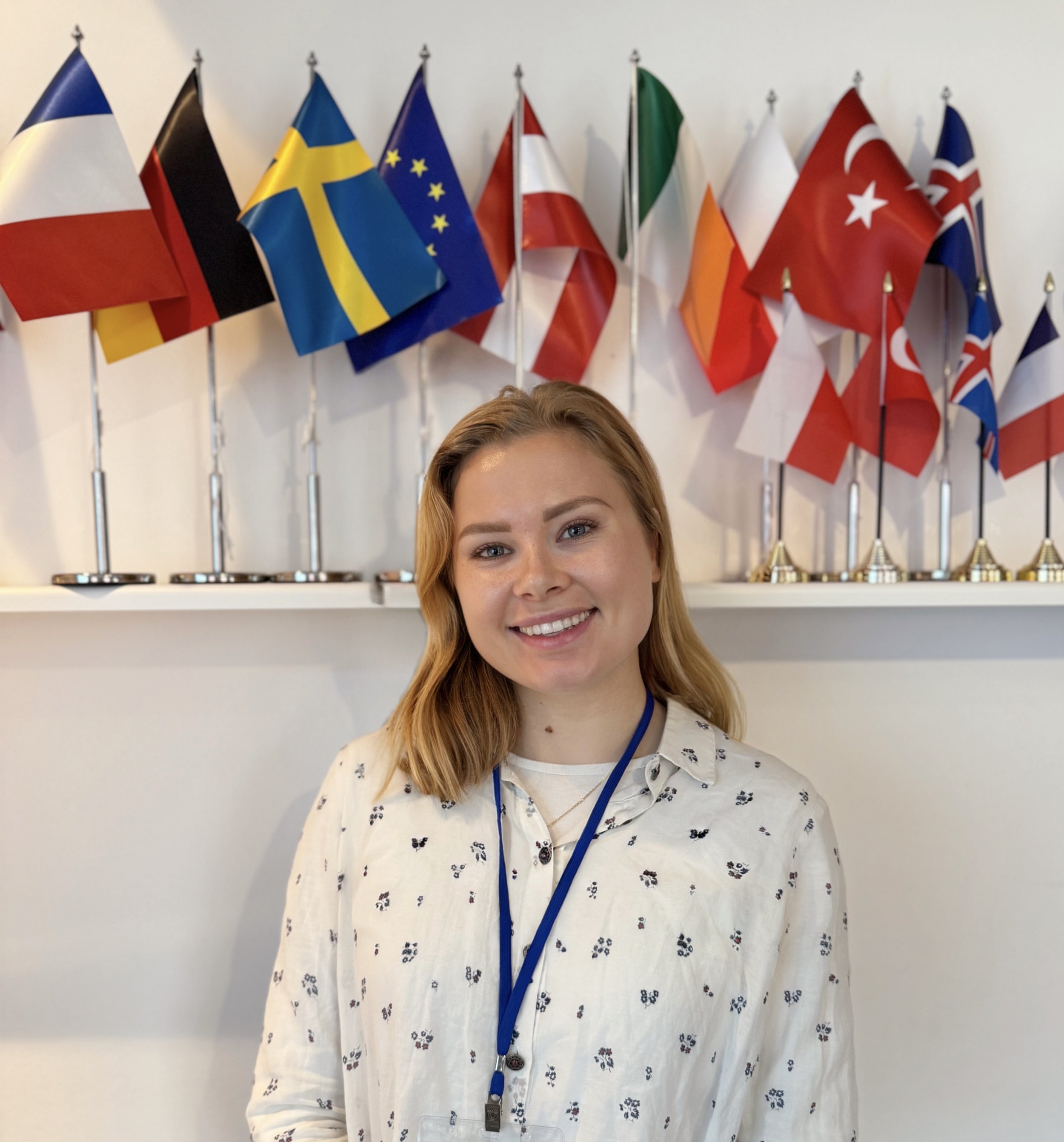
Ludmilla Favel (DIGITALSET)
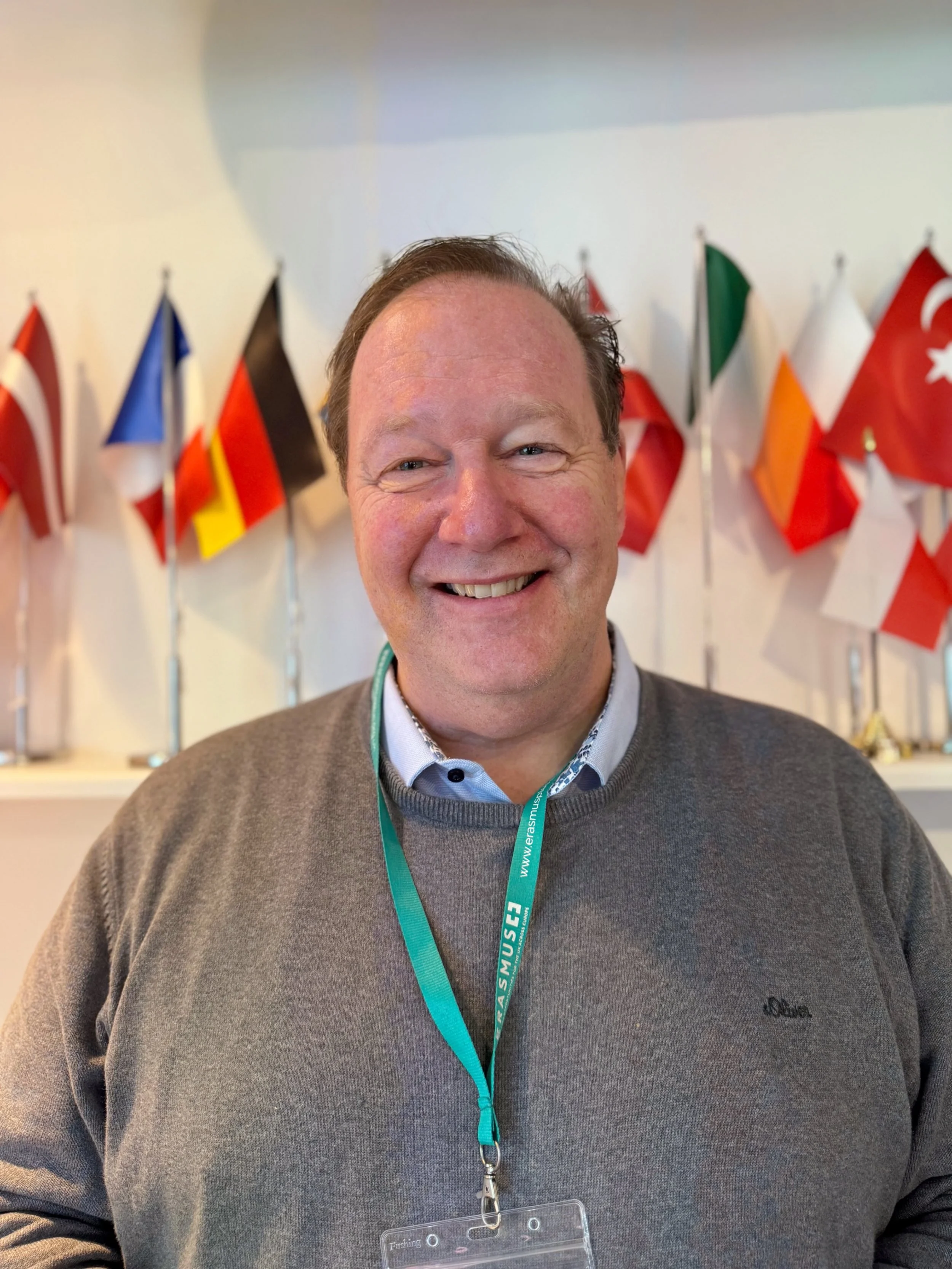
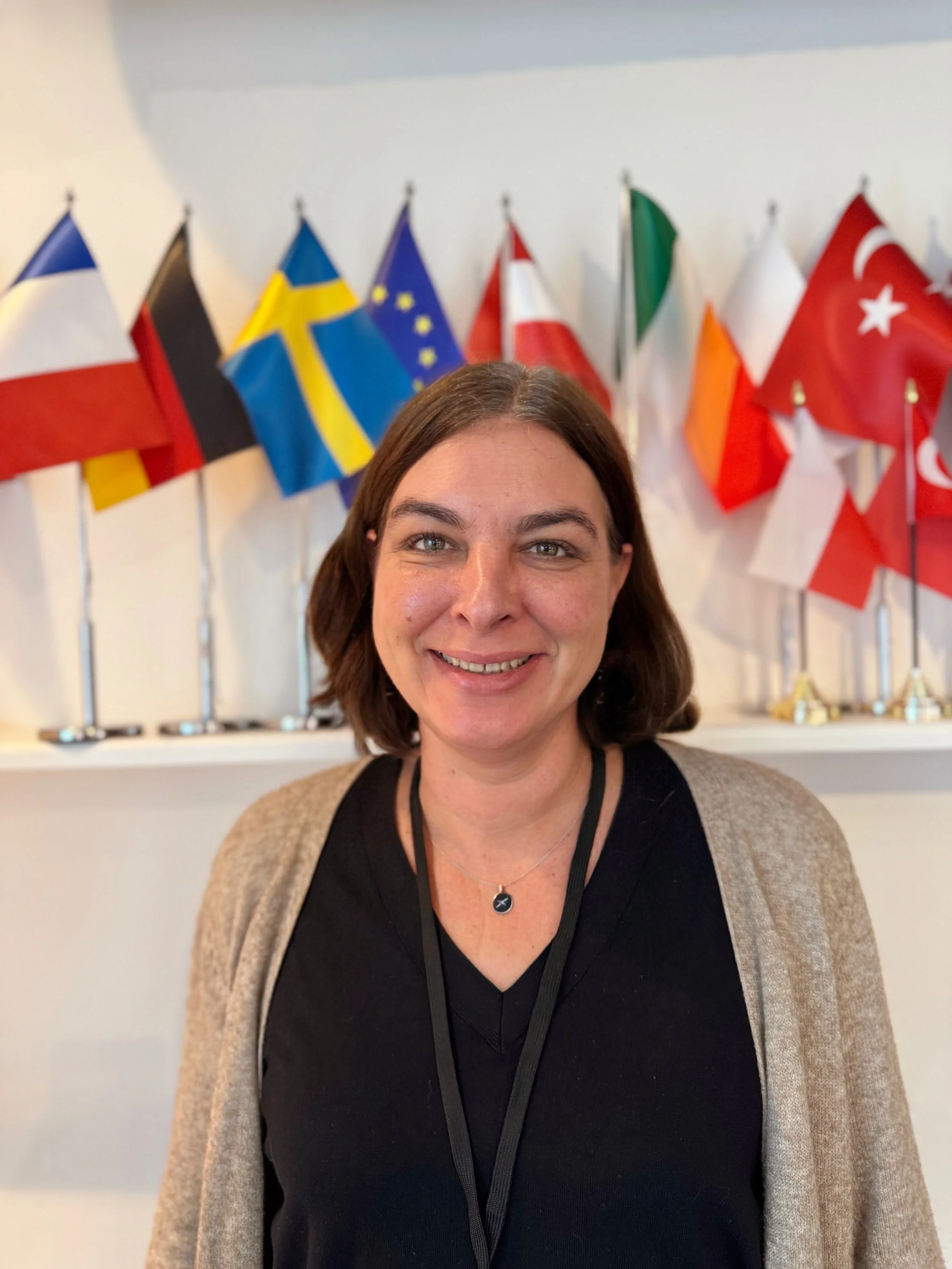
Eglantine Dekydtspotter (Rimbaud)
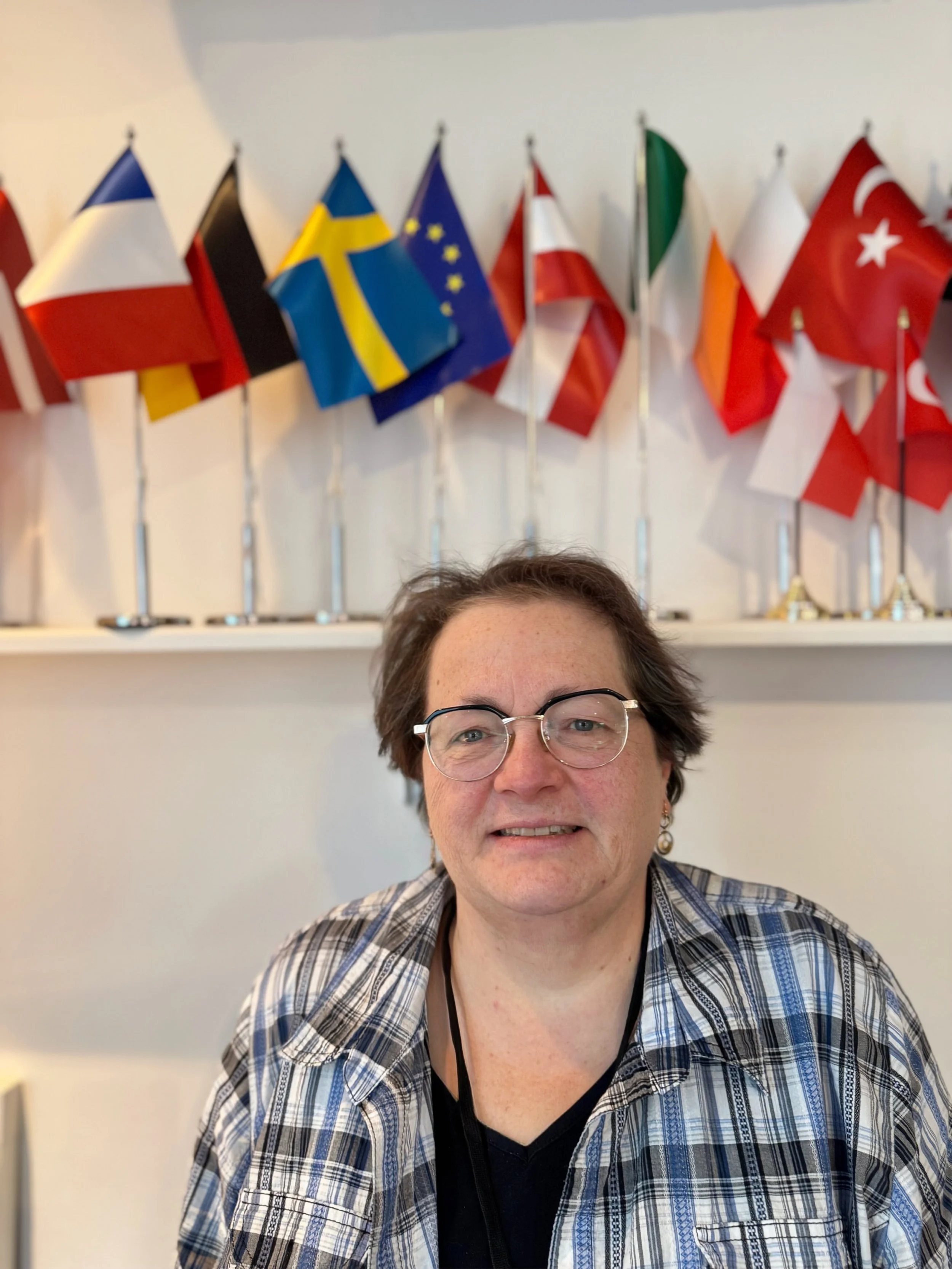
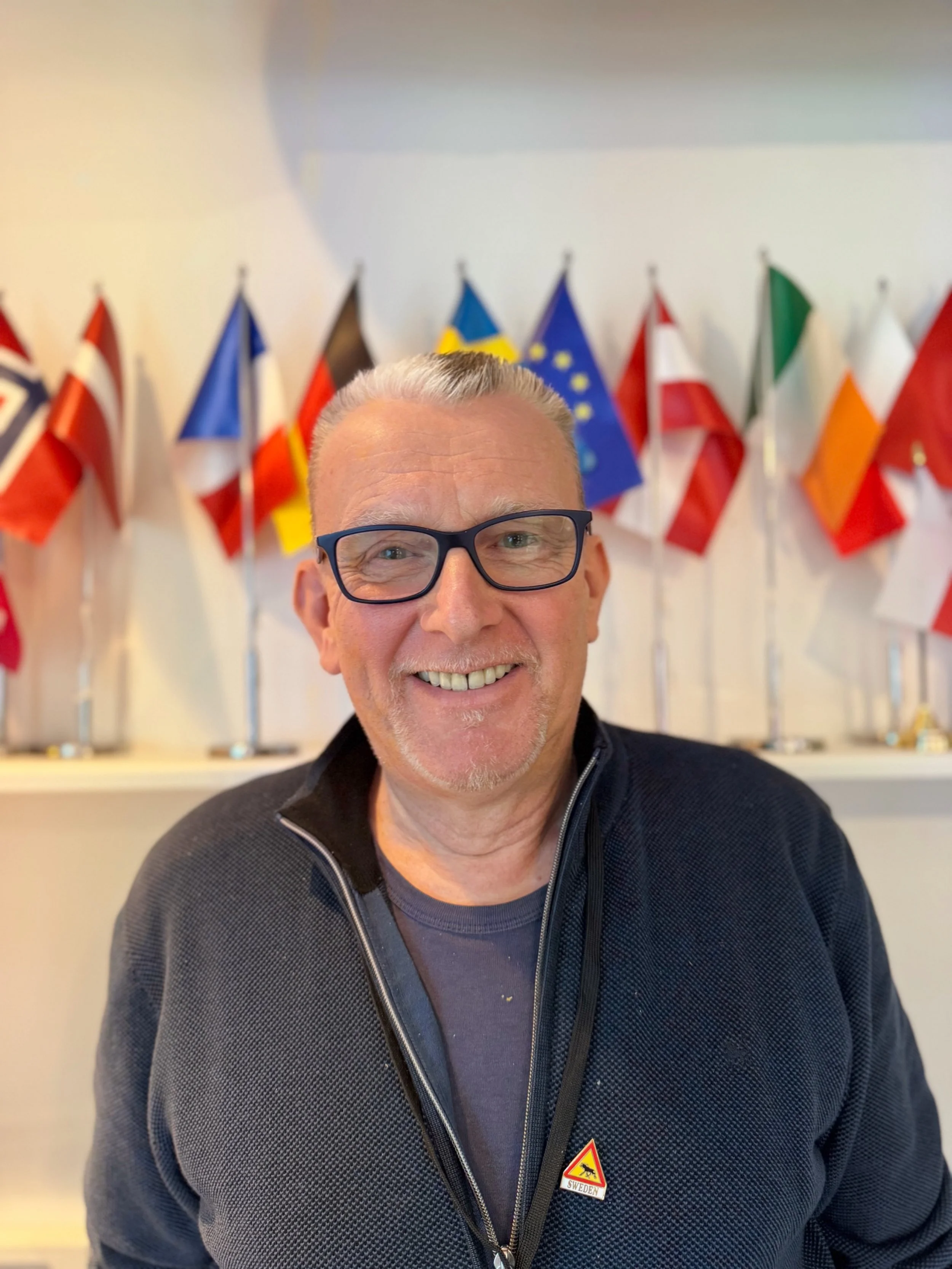
Walter Redl (BL7)
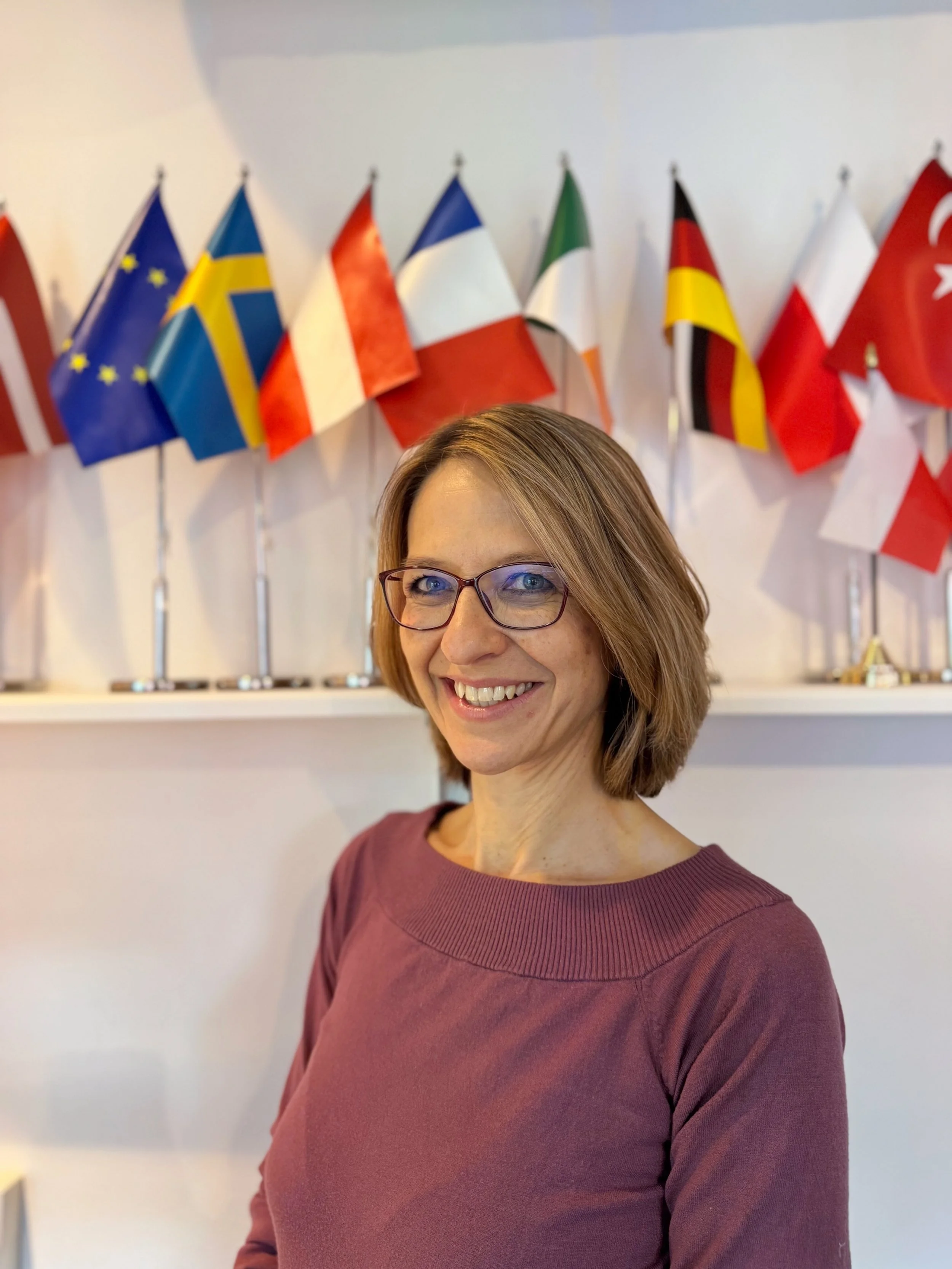
Regina Nader (BL7)
Corine Segalen (Rimbaud)
Christophe Wells (DIGITALSET)
Meet the team
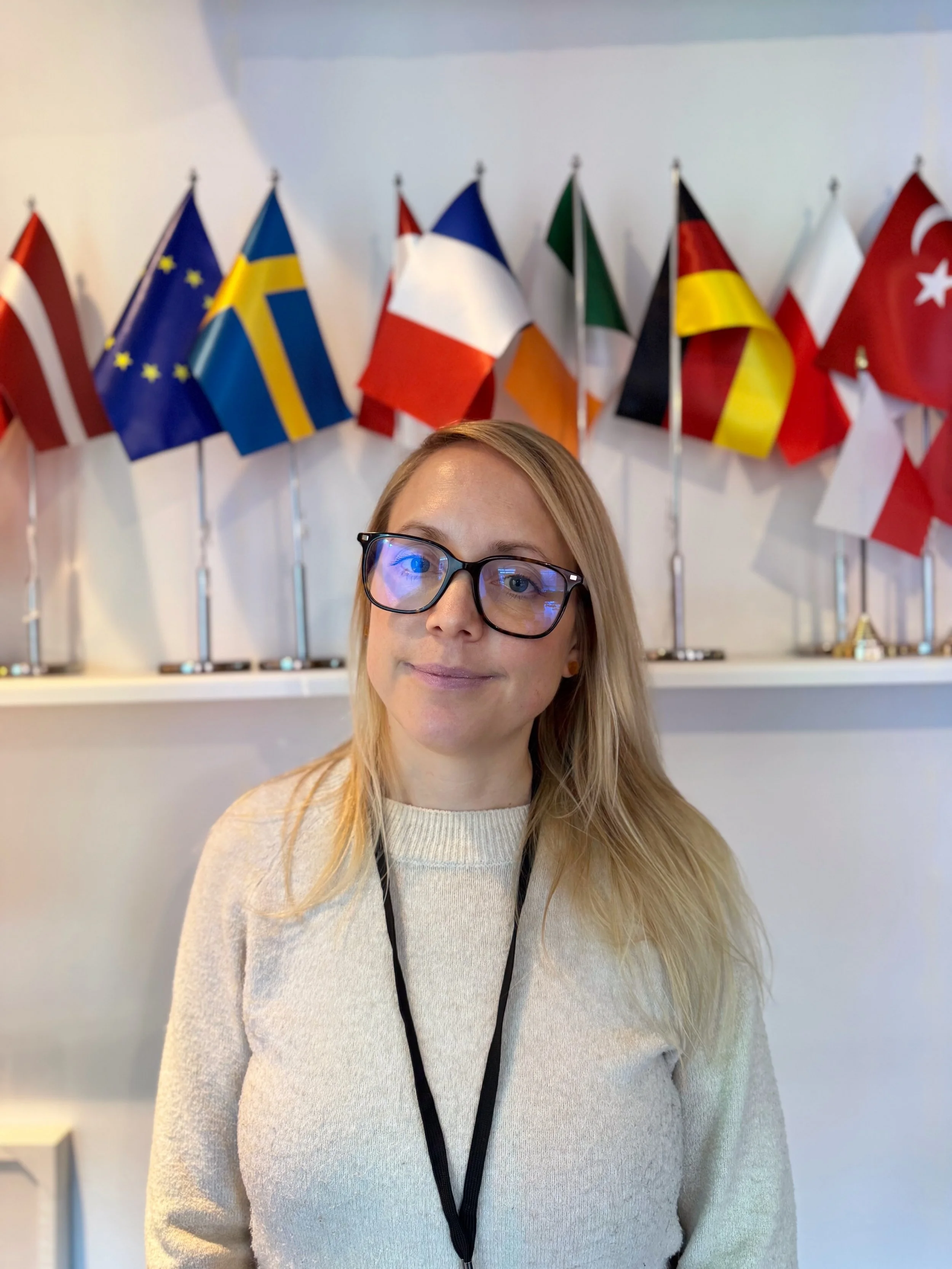
Kristina Tengelin (KLARAV)
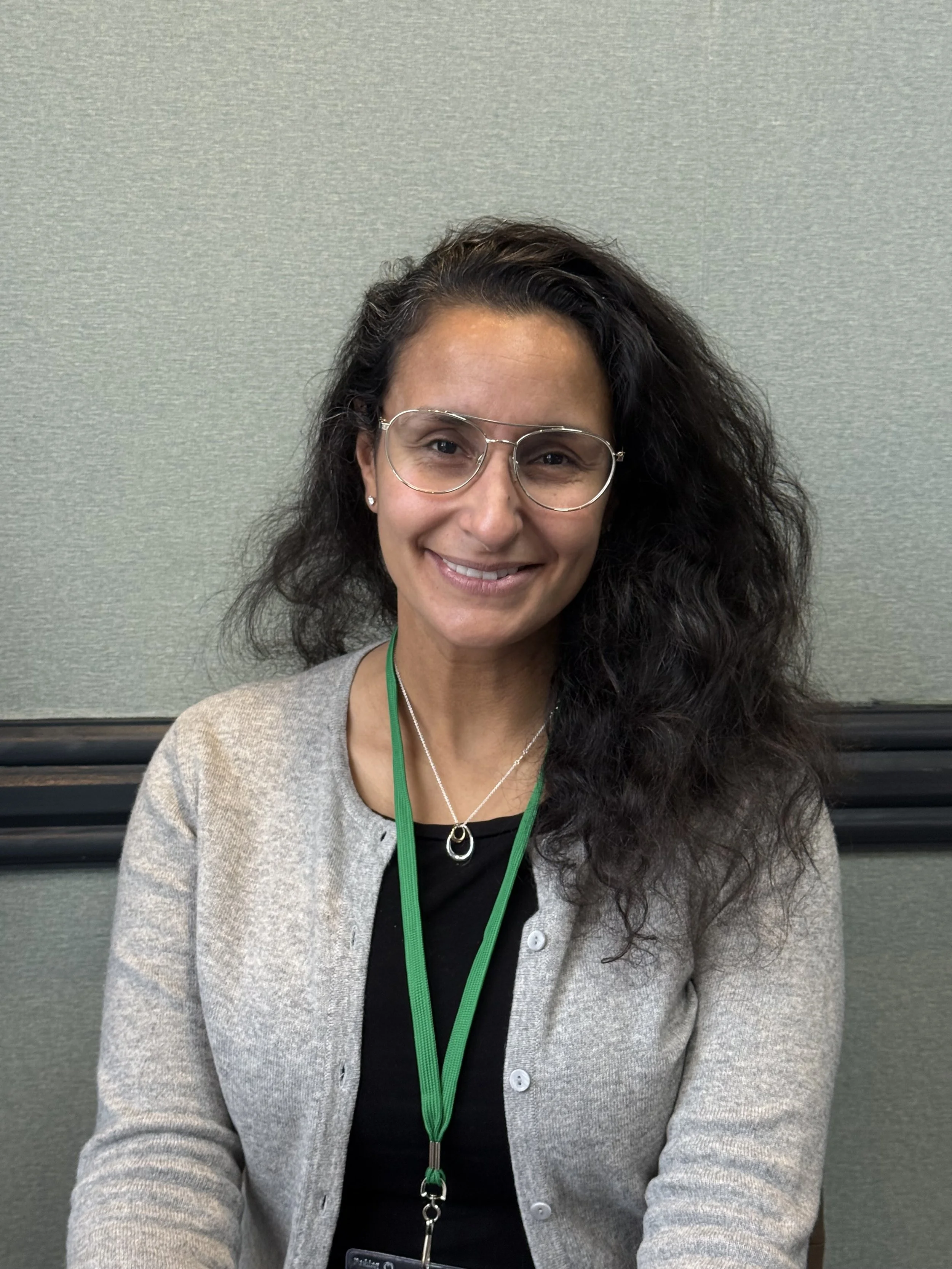
Eglantine Dekydtspotter (Rimbaud)
Walter Redl (BL7)
Regina Nader (BL7)
Corine Segalen (Rimbaud)
Suah Nilsson (KLARAV)
-
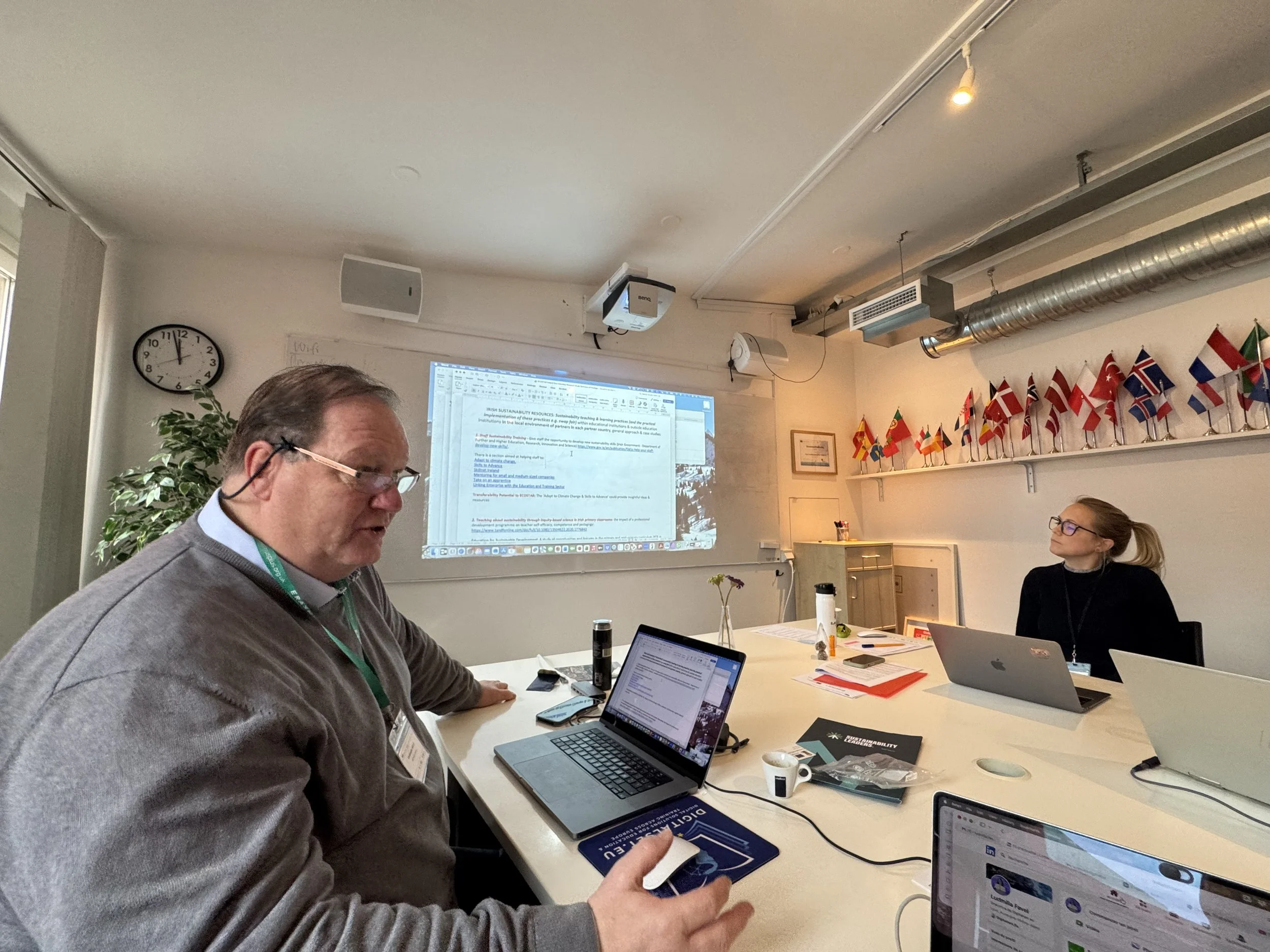
Target Group
The project will engage at least 100 young learners, emphasising inclusivity for those from disadvantaged backgrounds. It will also involve at least 10 educational institutions and 20 educators who will develop and test the project outputs, alongside 15 staff members from partner organisations involved in development and evaluations.
-
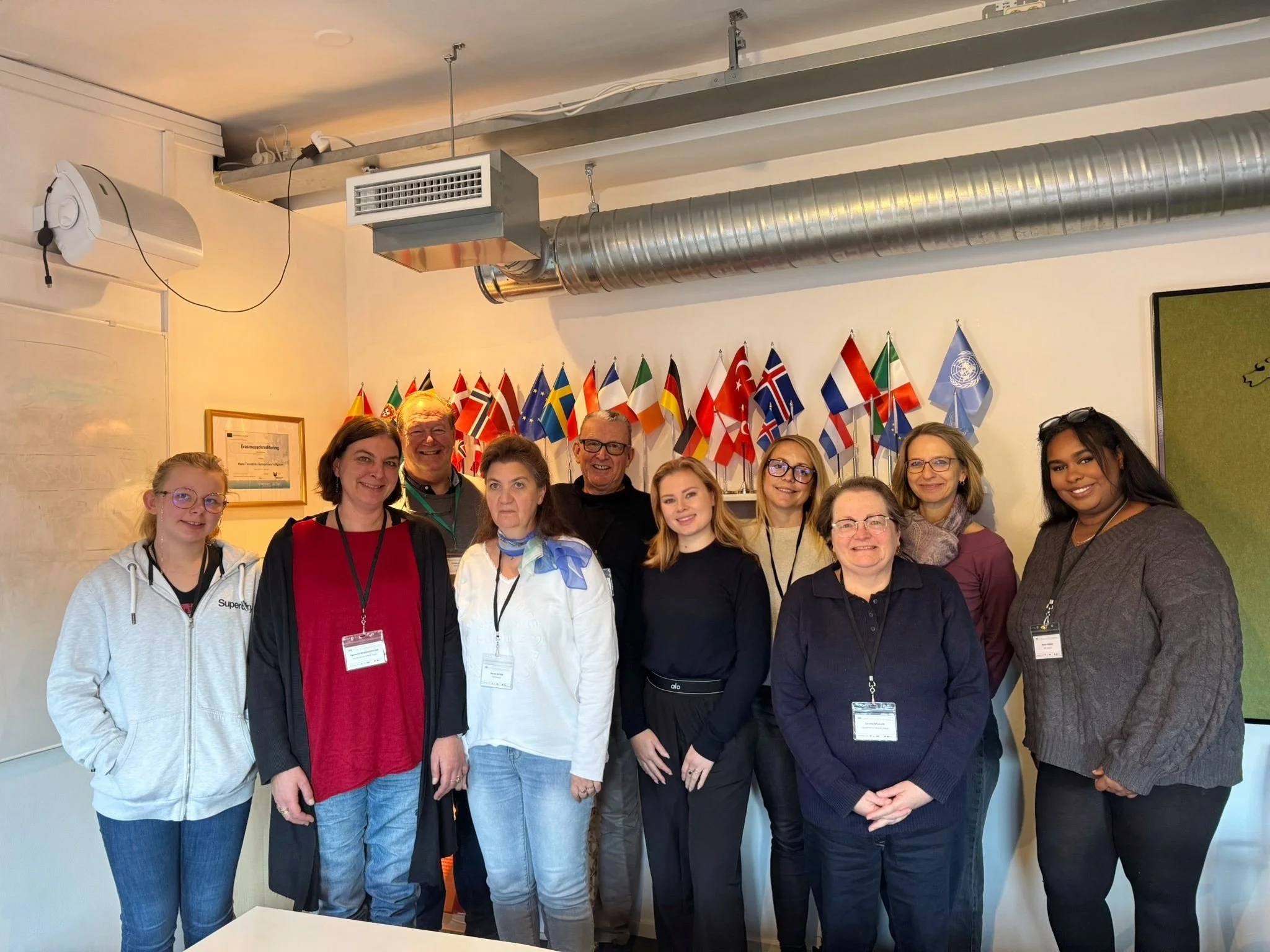
Partnership
The partnership comprises 5 organisations from France, Austria, Sweden, Germany & Ireland, contributing varied expertise and ensuring a broad linguistic and cultural approach. Each partner will assume specific roles related to project management, digital strategies, and sustainable development.
-
Budget
The project budget is divided among various work packages, with designated allocations for project management, learning module creation, and conferences.
-
Timeline
The project timeline includes phases of initiation in November 2025, implementation from December 2025 to September 2026, experimentation from October 2026 to May 2027, and concluding evaluation from June to August 2027, followed by end-of-project conferences and dissemination of results.
-
Communication Strategy
For its communication strategy, the project will utilise various channels, including a YouTube channel, Instagram, Facebook, LinkedIn, and WhatsApp, to foster community engagement and disseminate information.
Contact us
Interested in working together? Fill out some info and we will be in touch shortly. We can’t wait to hear from you!